
Mark Chesterman joins Capital.com as chief risk officer
Mark Chesterman is expected to join Capital.com as chief risk officer after seven years at OANDA. Read the key facts and news today.
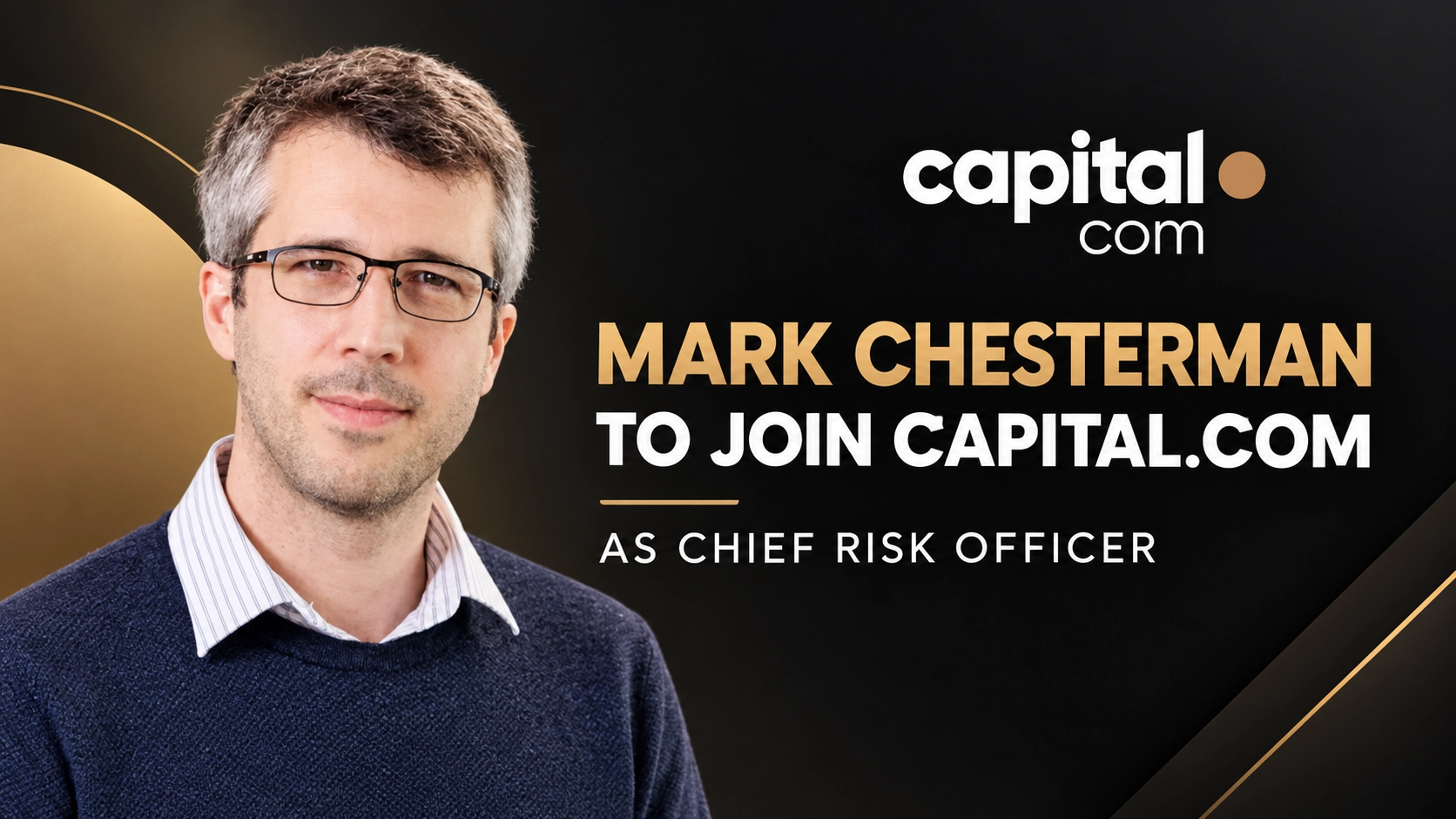
Direct link: Mark Chesterman joins Capital.com as chief risk officer
Mark Chesterman is expected to join Capital.com as its chief risk officer, TradeInformer has learned. The move would bring a seasoned risk leader to the broker. Here is what the news says and what it could mean for traders.
Who Is Mark Chesterman?
Mark Chesterman has built a long career in trading and risk management. He spent nearly 15 years at IG Group in senior roles. Those roles covered trading, operations, and business development.
That mix of experience gives him a broad view of how a broker runs. He has seen the business from several angles. This background is one reason the reported hire has drawn attention.
Mark Chesterman's Career at OANDA
Chesterman spent seven years at rival brokerage OANDA before this move. He first led the trading team there. He then spent more than four years as chief risk officer.
Earlier in his career, he also worked briefly at Stater Global Markets. This was a prime-of-prime broker that has since closed. Prime-of-prime brokers mainly serve other brokers and trading firms, not everyday traders.
Key Facts at a Glance
The table below sums up the career details reported in the news. Use it as a quick reference.
| Detail | Information |
|---|---|
| Expected role | Chief risk officer at Capital.com |
| Time at OANDA | Seven years |
| Roles at OANDA | Head of the trading team, then chief risk officer for more than four years |
| Time at IG Group | Nearly 15 years in senior roles |
| Other early role | Brief spell at Stater Global Markets |
Why OANDA's Changes Matter
OANDA has made major operational changes over the past year. The firm was acquired by prop firm FTMO. That deal has reshaped how the company is run.
Most of its senior executives in the UK and Poland have left. The company also appears to be shifting key operations to Prague, where FTMO is based. For background, read our OANDA review.
What Is Happening at Capital.com?
These changes arrive alongside the reported hire of Mark Chesterman. Capital.com is also going through changes of its own.
The company has been active in recent months. Its updates include:
- A rebrand of the company
- The introduction of stocks and ETFs in Europe
- A new chief marketing officer
Read more in our report on Capital.com's stocks and ETF investing across Europe. Kenya's regulator has also cleared the broker to offer forex online, as covered in our Kenya regulator update.
Trading volume reached $2.45 trillion in the first half of 2027. The company continues to report strong growth, according to the source report.
What a Chief Risk Officer Does
A chief risk officer oversees how a broker manages its risks. This can include market exposure, internal controls, and how the firm handles risk across its business.
If Mark Chesterman joins Capital.com, he would carry these duties. Leadership changes can signal shifts in strategy. They do not change a broker's terms on their own.
How to Read Broker Staff News
Hiring news can hint at a broker's direction. It rarely tells you about trading costs or how your money is protected. Treat it as one clue among many.
Start with a few simple questions. Who regulates the broker? What fees apply to your account? Also ask how the broker handles complaints.
- Check the regulator and the company that holds your account.
- Compare spreads, commissions, and overnight costs on the official site.
- Read how deposits, withdrawals, and account checks work.
Risk Management Basics for New Traders
Good risk management matters more than any single hiring decision. It helps you protect your capital when markets move quickly. Many new traders learn this the hard way.
Simple habits can help. Decide how much you can lose before you place a trade. Use stop-loss orders where your broker offers them, and understand how they work.
- Trade only with money you can afford to lose.
- Keep position sizes small while you learn.
- Review your trades and write down what you learned.
What Traders Should Check After the Mark Chesterman News
News about Mark Chesterman's hire is not a reason to trade on its own. Check the broker's regulation, licence, and fund protection first.
- Confirm the regulator and licence number on the broker's official site.
- Read the full fee schedule, spreads, and withdrawal rules.
- Practise on a demo account before you use real money.
- Read the official terms of any bonus before you accept it.
Forex trading is risky, and many people lose money. Learn the basics in this guide to What is forex trading? (Investopedia).
Readers who follow broker moves can also check FX News Bonus for further coverage. For wider market context, see FX News Info.
For broker news and bonus updates, visit Forex All Bonus to stay informed about the sector.
Final Thoughts on Mark Chesterman's Move
The reported hire of Mark Chesterman gives Capital.com an experienced risk leader. Watch for an official confirmation from the company.
Trading involves real risk, so only use money you can afford to lose. Browse our broker profiles to compare your options before you open an account today.
Frequently Asked Questions
Who is Mark Chesterman?
Mark Chesterman is a trading and risk professional with a long career in the industry. He is reported to be expected to join Capital.com as chief risk officer. He previously worked at OANDA and IG Group.
Has the Capital.com appointment been officially confirmed?
The news comes from TradeInformer reporting, which says he is expected to join. Check Capital.com's official channels for a formal announcement. Confirmation may come later.
What does a chief risk officer do at a broker?
A chief risk officer oversees how a broker manages market exposure and internal controls. The role looks at risk across the whole business. It helps the firm follow its own risk rules.
Does a leadership change affect my trading account?
Leadership changes do not usually change your account terms on their own. Read the broker's official notices and terms to see if anything changes. Keep an eye on fees and withdrawal rules.
What should I check before opening a forex account?
Check the broker's regulator, licence, and fund protection first. Read the fee schedule and test the platform on a demo account. Forex trading is risky, so only use money you can afford to lose.