
A Trusted Forex Broker
CTForex Review Hidden Fees and Withdrawal Issues Exposed
Key Takeaways
This comprehensive CTForex review exposes critical red flags that could cost traders their capital. Here are the essential warnings every trader must know:
• CTForex operates without proper regulation - Claims registration in Saint Lucia and Poland but lacks authorization from recognized regulators like FCA or CFTC
• Hidden withdrawal fees contradict official claims - Despite stating "no withdrawal fees," users report $30 charges per withdrawal and systematic barriers to fund access
• Account pricing structure defies logic - Premium accounts charge identical spreads plus $4 commissions, suggesting advertised rates don't reflect real execution costs
• Customer support becomes non-existent during problems - Multiple users report ignored withdrawal requests, unresponsive support channels, and threats instead of payments
• Bonus terms create withdrawal traps - 50% deposit bonuses require substantial trading volume before allowing profit withdrawals, potentially forfeiting both bonus and profits
The evidence strongly suggests CTForex prioritizes acquiring deposits over facilitating withdrawals. Traders seeking legitimate forex services should choose properly regulated brokers with transparent fee structures and verified track records of reliable fund access. This CTForex broker review reveals concerns that every trader should know before depositing funds.
CTForex claims to be registered in Saint Lucia and Poland. Verification shows it operates without oversight from these jurisdictions and lacks authorization from recognized regulators like the Financial Conduct Authority. Users report withdrawal barriers. They get blocked from accessing their funds unless they pay additional fees[-5]. The broker advertises spreads starting from 0.1 pips, but hidden costs tell a different story. We'll get into CTForex's regulatory status in this forex broker review and break down its actual fee structure. We'll also break down the withdrawal issues traders face.
Withdrawal Issues: User Reports and Processing Times
Accessing trading profits becomes the moment of truth for any forex broker review. The gap between CTForex's stated policies and actual user experiences reveals significant concerns about fund accessibility.
Standard Withdrawal Process
CTForex states withdrawals are processed within 1-3 business days. The official procedure follows industry standards: traders log into their account, direct themselves to the withdrawal section, select their preferred payment method, enter the amount, and submit the request. Withdrawals can only be made to verified payment methods. Funds must return to the original deposit source for amounts up to the initial deposit. Trading profits beyond the deposit amount can be withdrawn to any verified bank account in the trader's name typically.
The broker requires identity verification as part of the withdrawal process. This security measure protects against unauthorized access and ensures compliance with anti-money laundering regulations. Additional verification may be required for large withdrawals, though the threshold that defines "large" remains undefined. Traders cannot anticipate when additional documentation might delay their withdrawal requests then.
Common Withdrawal Delays
Processing times vary by a lot based on withdrawal method and broker responsiveness. Bank transfers take 3-5 business days typically, while e-wallet transactions may complete within 24 hours in optimal conditions. These timeframes assume prompt broker processing, which doesn't always occur.
Delays stem from various sources: bank holidays, verification bottlenecks, technical issues, or insufficient free balance in the trading account. Some brokers that experience liquidity problems stall withdrawals with vague excuses about "higher than usual volumes" or "system maintenance." Traders at other platforms have reported validation periods that extend beyond 12 days without clear explanations or timelines.
User Complaints About Fund Access
CTForex user reports paint a troubling picture. One trader attempted to withdraw $250 in profits but received threats of legal action rather than payment. Another user reported making $598 in profit and requested a withdrawal of no more than $250 according to the broker's stated conditions, then entered a waiting period for response.
Support quality compounds these withdrawal barriers. Users describe non-existent customer service and rely only on an AI chatbot that provides unhelpful responses. Email inquiries and support tickets go ignored for over a week reportedly. Traders remain in limbo without updates on their withdrawal status. The communication breakdown transforms withdrawal delays from inconvenient to unacceptable.
Verification Requirements That Block Withdrawals
Identity verification serves legitimate security purposes, yet can become a weapon for delaying fund access. Brokers require extensive personal information under Know Your Customer policies: proof of identity and address verification. Withdrawal requests face rejection if account details are unverified or mismatched.
Payment method changes trigger additional verification hurdles. Brokers demand new identity verification before processing withdrawals when a card expires or a trader switches banks. Brokers cite anti-money laundering regulations and reject requests when traders use a different payment method than the original deposit source. Traders who deposited with one credit card but later lost access to that card cannot withdraw funds until they provide alternative verification that satisfies the broker's requirements. CTForex already demonstrates poor support responsiveness, and these verification barriers create extended periods where traders cannot access their capital.
CTForex Hidden Fees Breakdown
Understanding the true cost of trading with CTForex just needs looking beyond the promotional materials. The broker's fee structure contains several contradictions that become apparent only after traders commit their funds.
Advertised Spreads vs Real Costs
CTForex advertises spreads starting from 0.2 pips on Standard and Premium accounts, with VIP accounts offering 0.1 pips. These figures compete with top-tier regulated brokers, yet the broker operates without equivalent regulatory oversight. OANDA provides historical spread tools showing minimum, average and maximum spreads to give traders a complete picture of pricing variability—to name just one example. Most regulated brokers acknowledge that spreads fluctuate based on market liquidity, especially when you have high volatility periods. CTForex's static spread claims lack this transparency and raise questions about whether the advertised rates reflect actual trading conditions or merely theoretical minimums rarely available to traders.
Commission Structure Across Account Types
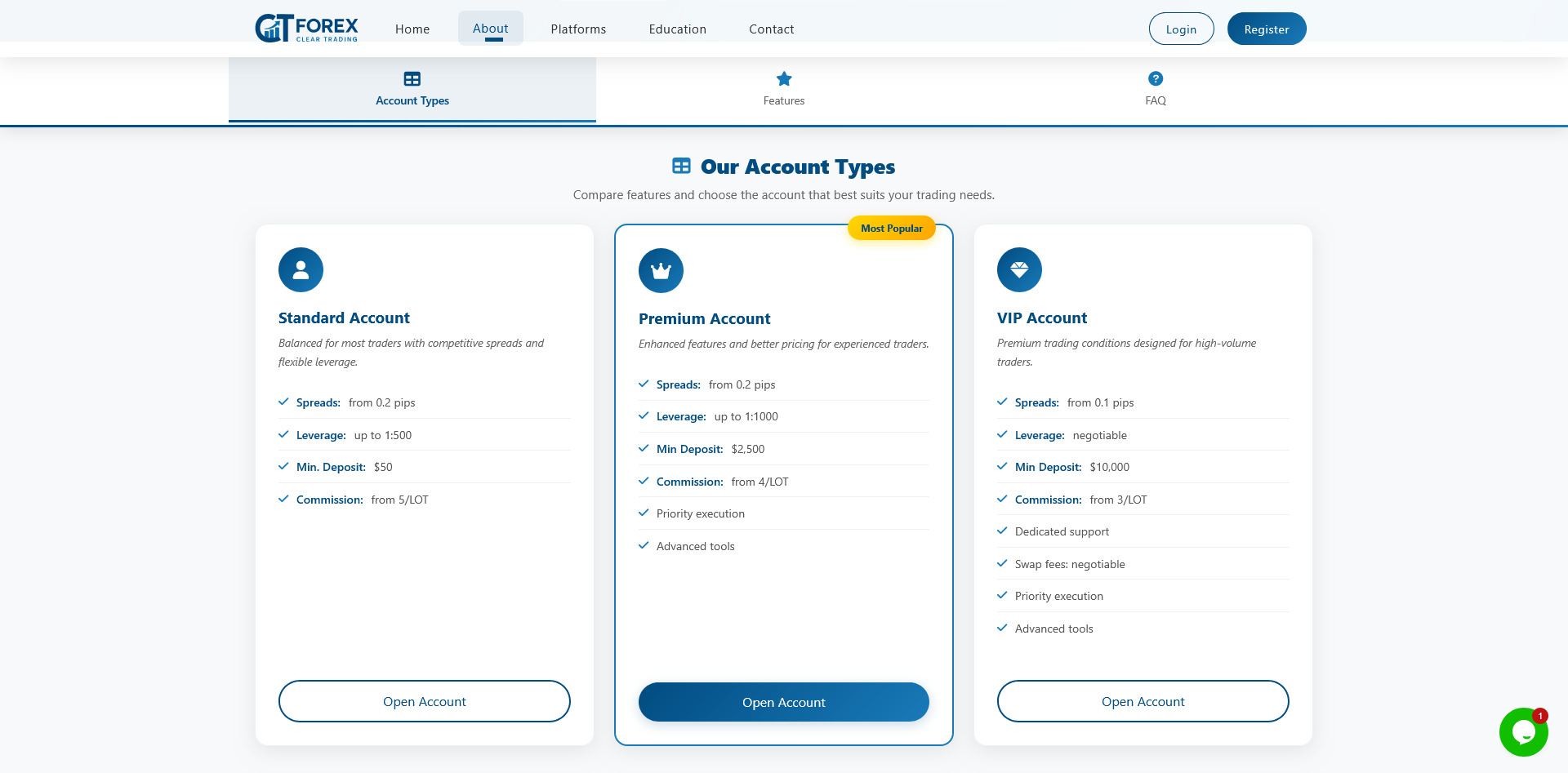
The commission framework reveals a pricing paradox. The Standard account charges zero commission while maintaining 0.2 pip spreads. Premium accounts, requiring a $2,500 minimum deposit, charge $4 per side per lot while offering similar advertised spreads of 0.2 pips. VIP accounts demand $10,000 upfront and impose $3 per side per lot commissions for marginally tighter 0.1 pip spreads. This structure defies standard industry logic where higher-tier accounts should provide better overall value. Established brokers like Forex.com charge $7 per $100,000 traded on their raw spread accounts while offering spreads as low as 0.0 pips. The Standard account appears most competitive on paper, yet the unrealistic spread claims suggest hidden costs emerge during actual execution.
Deposit and Withdrawal Fee Analysis
CTForex's official website states the broker does not apply deposit or withdrawal fees, though charges may occur depending on payment providers. The official terms list withdrawal fees among the charges applied to client accounts. User reports make this contradiction clearer. One trader found each withdrawal cost $30, a fee not disclosed until attempting to access funds. The official terms specify withdrawals process within one to three business days and require verification of payment methods. Disclosures regarding fees remain misleading and lead to frustration when transaction costs accumulate unexpectedly.
Payment Provider Charges
The broker shifts fee responsibility to third-party payment processors, a tactic that obscures total trading costs. Bank transfers, credit cards, e-wallets and cryptocurrency options each carry different fee structures imposed by intermediaries. Traders cannot calculate their break-even points or compare CTForex's pricing against competitors who include detailed fee schedules on their websites without clear documentation of these costs upfront.
Bonus Terms and Withdrawal Restrictions
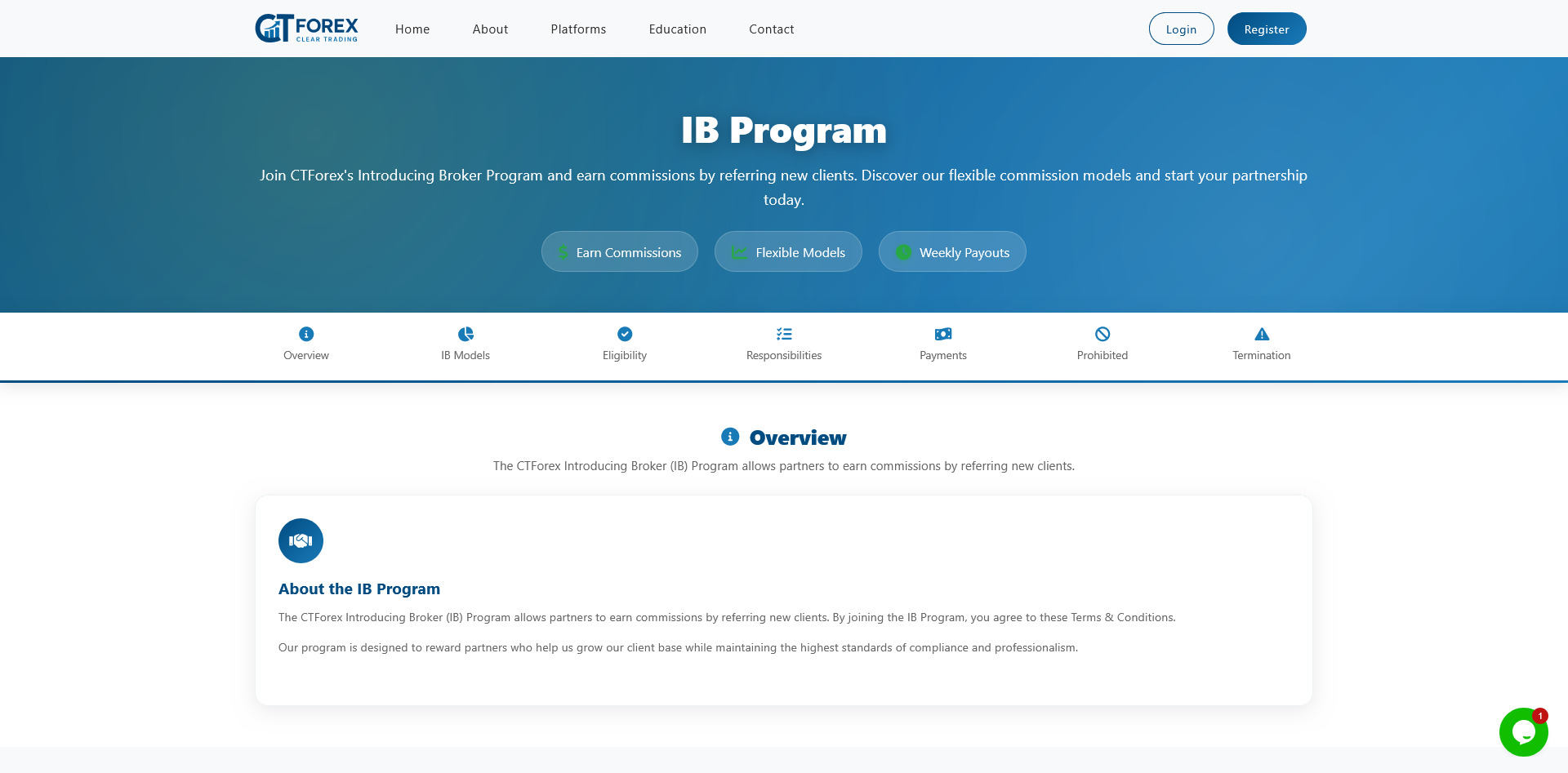
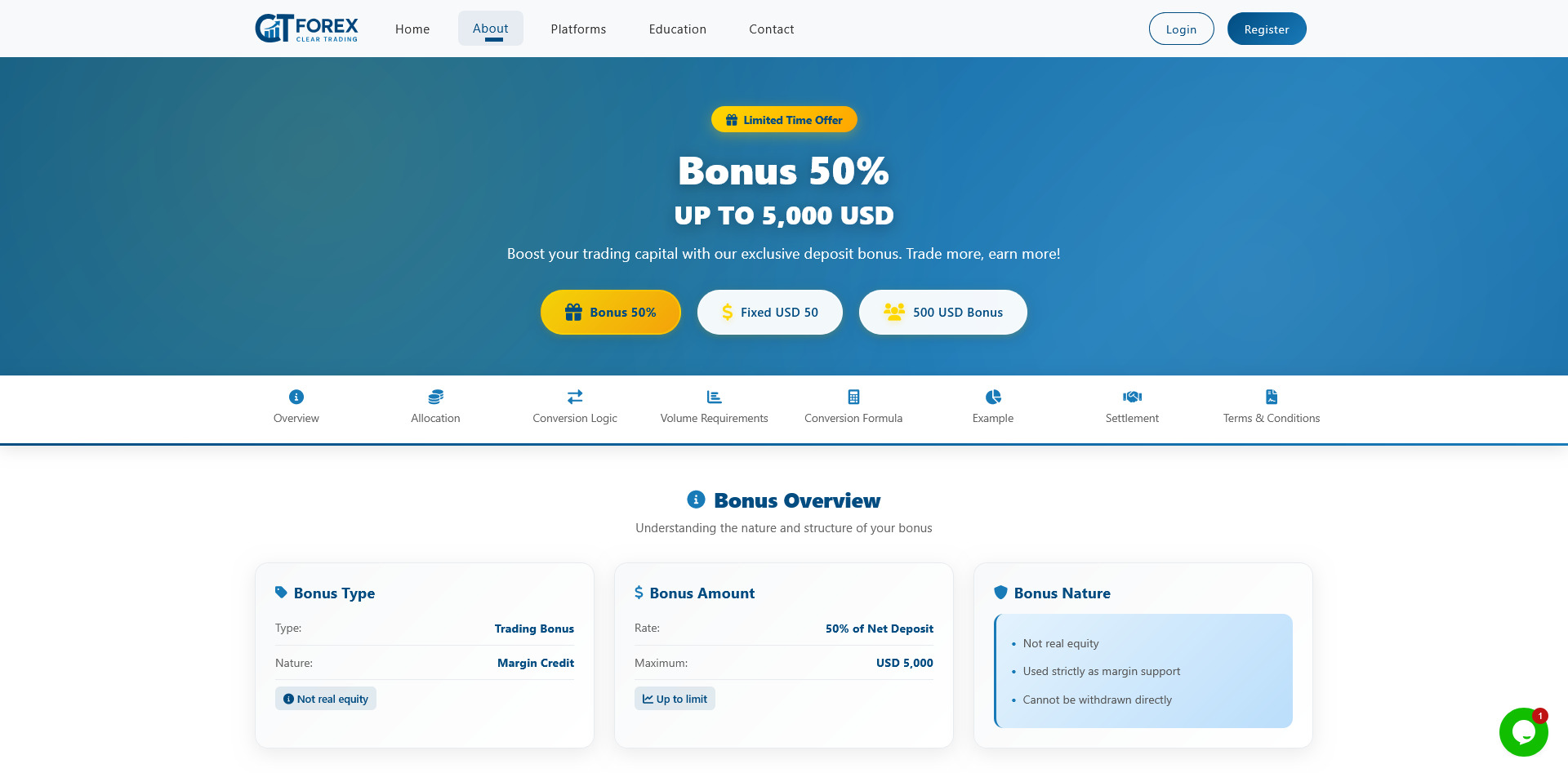
CTForex promotes a 50% deposit bonus capped at $5,000 and a fixed $500 bonus. These promotions create barriers to profit withdrawal until specific volume targets are met. Bonus structures at offshore brokers require substantial trading volume before allowing withdrawals. Some brokers demand completing 6 times the bonus amount in trading lots before permitting bonus withdrawal—to name just one example. More, bonus funds often cannot be withdrawn directly, only profits generated from trading with the bonus capital. Traders who fail to meet volume requirements may forfeit both bonus funds and associated profits entirely
Account Types and Minimum Deposits
CTForex structures its offerings around three account tiers. Each tier differs by deposit requirements rather than meaningful feature improvements.
Standard Account: $50 Minimum
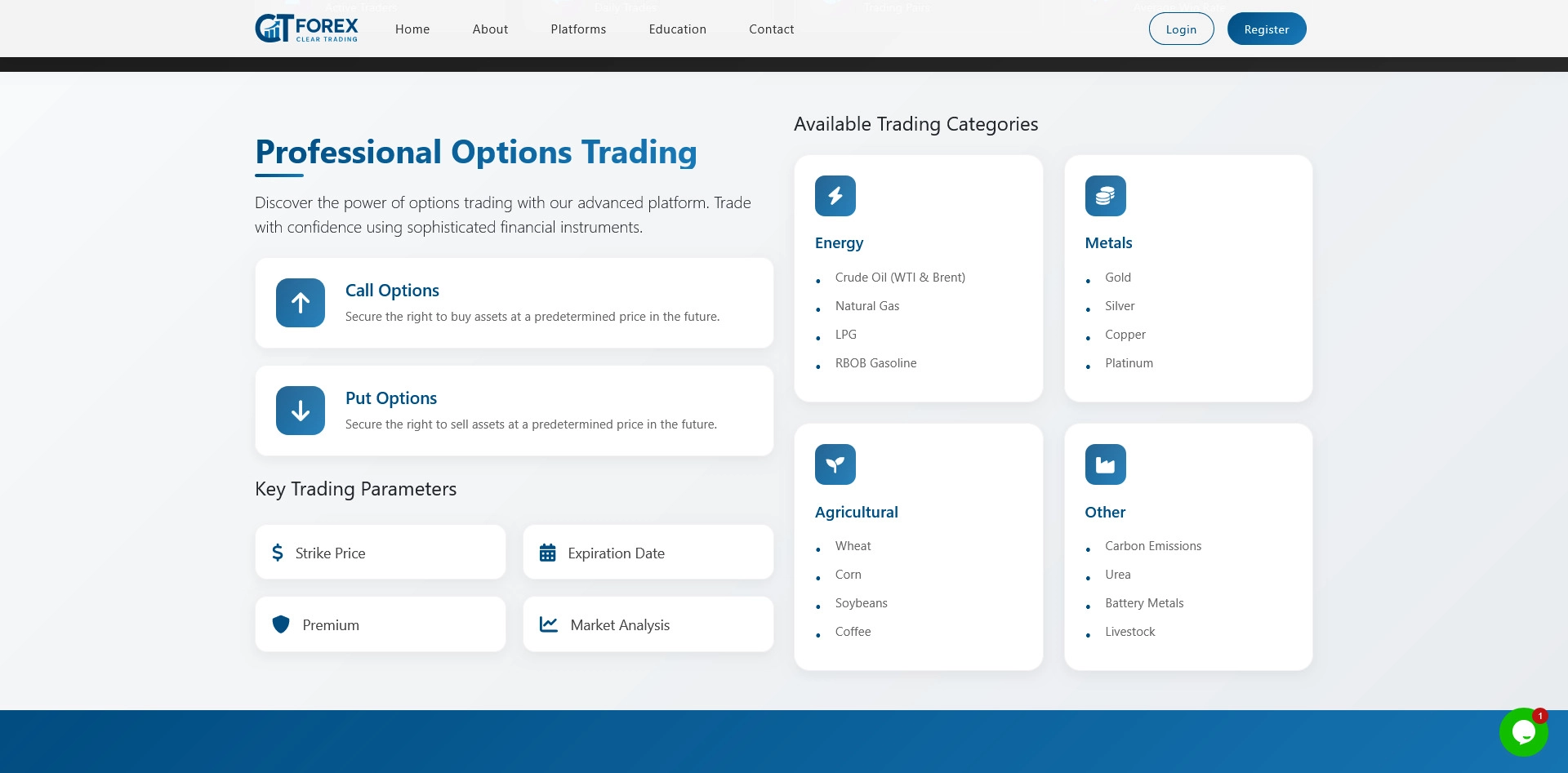
The entry-level Standard Account requires a $50 minimum deposit. This places CTForex slightly above industry competitors. XM allows traders to start with just $5. Multiple reputable brokers including XTB, Fusion Markets, and OANDA impose no minimum deposit at all. The Standard Account advertises spreads from 0.2 pips with zero commission. Maximum leverage reaches 1:500 across forex pairs, commodities, indices, and cryptocurrencies. The minimum trade size sits at 0.01 lots, available to traders testing strategies with limited capital.
Premium Account: $2,500 Minimum
The Premium Account demands a $2,500 minimum deposit yet presents a puzzling value proposition. Spreads remain identical to the Standard Account at 0.2 pips[153]. This tier adds a $4 per lot per side commission[153]. Traders pay much more to access the same advertised spreads available at the entry level. Leverage increases to 1:1000, though this higher risk multiplier benefits the broker through increased trading volume. The minimum lot size stays at 0.01 lots and offers no advantage over the Standard Account.
VIP Account: $10,000 Minimum
The VIP tier requires a $10,000 upfront commitment[152][153]. Spreads tighten slightly to 0.1 pips[153][154]. Commissions drop to $3 per side per lot[153]. Leverage becomes negotiable[154] and allows traders to discuss risk parameters with the broker. Some sources indicate leverage can reach 1:2000 across multiple instrument categories. The minimum trade size remains 0.01 lots[153], consistent across all account types.
Which Account Offers Real Value?
The account structure reveals contradictions that question CTForex's transparency. The Standard Account appears most competitive on paper. This is an unusual arrangement since higher-tier accounts provide superior conditions. Brokers like Forex.com offer raw spread accounts with EUR/USD spreads as low as 0.0 pips for a $7 commission per $100,000 traded. CTForex maintains identical spreads between Standard and Premium accounts despite adding commissions. The pricing model suggests advertised spreads don't reflect actual execution costs. This inconsistency indicates the broker hides true spread markups. Traders at lower tiers face wider spreads than advertised while higher-tier accounts reveal the real costs through explicit commissions.
Trading Conditions and Customer Support
Trading execution and support responsiveness reveal more about a broker than promotional materials suggest. CTForex's operational framework presents contradictions between advertised capabilities and actual user experiences.
Available Trading Instruments
CTForex provides access to MetaTrader 5 infrastructure across multiple devices including web terminal, Android, iOS, and MacOS platforms. The instrument selection covers forex currency pairs, commodities, indices, and cryptocurrencies. Account funding methods include credit cards, Western Union, Perfect Money, Neteller, Skrill, FasaPay, and Bitcoin. Base currencies span EUR, USD, GBP, SEK, DKK, ZAR, NOK, PLN, AUD, AED, CZK and additional options. The broker claims to allow scalping strategies. Traders report stricter conditions during high-impact news events though. Regulated brokers maintain consistent execution policies. CTForex's variable approach to scalping creates uncertainty around strategy implementation.
Leverage Options and Risks
Maximum leverage reaches 1:500 across account types. Higher-tier accounts access increased leverage ratios, yet this amplification cuts both ways. Leverage transforms small market movements into disproportionate account impacts. A modest 1% price shift against a leveraged position can eliminate substantial capital. Brokers issue margin calls demanding additional deposits to maintain positions once losses approach margin requirements. Traders facing margin calls experience financial stress and potential forced liquidation of their positions. The emotional pressure of managing leveraged positions guides traders toward impulsive decisions that deviate from planned strategies. Leverage produces catastrophic outcomes quickly if proper risk management is absent. To name just one example, using 100:1 leverage means a 1% adverse price movement on a $10,000 position results in a $10,000 loss.
Customer Support Channels
CTForex advertises 24/7 multilingual support through email at support@ctforex.com, phone, live chat, Telegram, and WhatsApp. The broker claims human support rather than scripted responses. Some users praise fast withdrawals and friendly assistance. Conflicting reports paint a different picture though. Multiple traders describe customer service that doesn't answer, with requests ignored on WhatsApp chat as well.
Response Time Analysis
User experiences with support responsiveness vary. Traders report feeling ignored at the time assistance is needed. The support team becomes "nowhere to be found" once problems arise. This pattern of unresponsiveness creates especially serious concerns once withdrawal issues emerge and leaves traders unable to resolve fund access problems through official channels.
Conclusion
All things considered, I cannot recommend CTForex to any trader, whatever their experience level. The unregulated status alone raises serious red flags, but when you add hidden withdrawal fees and contradictory pricing structures along with user reports of funds they cannot access, the risks are nowhere near worth any advertised benefits.
Traders deserve brokers that operate transparently under recognized regulatory oversight. CTForex fails this basic requirement. The pattern of withdrawal barriers and non-responsive customer support suggests problems are systemic rather than isolated incidents. Your capital gets better protection with reputable, properly regulated brokers that maintain clear fee structures and reliable fund access.
FAQs
Q1. Which forex brokers offer the best withdrawal processes? Several brokers are known for reliable withdrawals, including Fusion Markets, Pepperstone, Hantec Markets, Global Prime, IC Markets, and Moneta Markets. These brokers typically offer low forex fees and multiple free withdrawal methods. When evaluating brokers, check their regulatory status, fee transparency, and user reviews regarding withdrawal experiences.
Q2. Is $100 sufficient to begin trading forex? Yes, $100 can be enough to start forex trading with many brokers. Some platforms accept deposits as low as $5 to $50, making forex accessible to beginners. However, proper risk management becomes crucial with smaller account sizes. Traders should focus on learning strategies, understanding leverage risks, and avoiding overexposure on individual trades regardless of their starting capital.
Q3. How can I verify if a forex broker is properly regulated? To verify a broker's regulatory status, first check their website footer for licensing information. Then visit the regulator's official website directly and search their database for the broker's name and license number. Major regulators include the FCA (UK), CFTC/NFA (US), ASIC (Australia), and FSA (Japan). Never rely solely on claims made on the broker's website—always cross-reference with the regulator's official records.
Q4. What are typical withdrawal timeframes for forex brokers? Standard withdrawal processing times vary by method and broker. E-wallet withdrawals typically complete within 24-48 hours, while bank transfers usually take 3-5 business days. However, these timeframes assume prompt broker processing. Delays can occur due to verification requirements, bank holidays, or broker-specific issues. Regulated brokers generally maintain more consistent processing schedules than unregulated platforms.
Q5. What hidden fees should traders watch for when choosing a forex broker? Beyond advertised spreads, traders should investigate commission structures across account types, deposit and withdrawal fees, payment provider charges, and bonus withdrawal restrictions. Some brokers advertise low spreads but add commissions or widen spreads during actual trading. Others impose unexpected withdrawal fees or require high trading volumes before allowing profit withdrawals. Always review the complete fee schedule and terms before depositing funds.

ADFX

Salma Markets
From $10 · MT5
Trust Capital
From $1 · MT5
MaxifyFX
From $15 · MT5
BBS Markets Forex Broker...
From $10 · MT5
Kato Prime
From $15 · MT4
HeroFX
From $50 · MT4
TabTrade
From $1 · MT5
Elev8
From $25 · MT5Frequently Asked Questions (FAQ)
What are the most popular brokers for day trading?
Want to start day trading? Here are the 5 best brokers for day trading, based on our findings. From commissions and fees to platform features, these brokers have it all!
Which brokers offer the lowest commissions?
Get a list of trending broker sites that we review and rank based on their quality, trustworthiness, and ease of use. We also provide you with a link to each site so you can get started right
What are the best trading platforms for beginners?
Unsure of which trading platform to choose as a beginner? Check out our list of the best platforms for beginners, complete with reviews and ratings from real traders.
What are the fees associated with day trading?
Reviews of the best day trading brokers. Read our reviews to find out which broker is right for you.What are the fees associated with day trading? Day trading is a risky business, and it takes a lot of practice before you can become successful at it. However, there are some things
What is a margin call and why do they happen?
A margin call happens when you have borrowed more money than you can pay back. Learn about the risks of trading on margin here.